Oxley’s at the RHS Chelsea Flower Show 2026: Craftsmanship, Collaboration and a New Material Expression
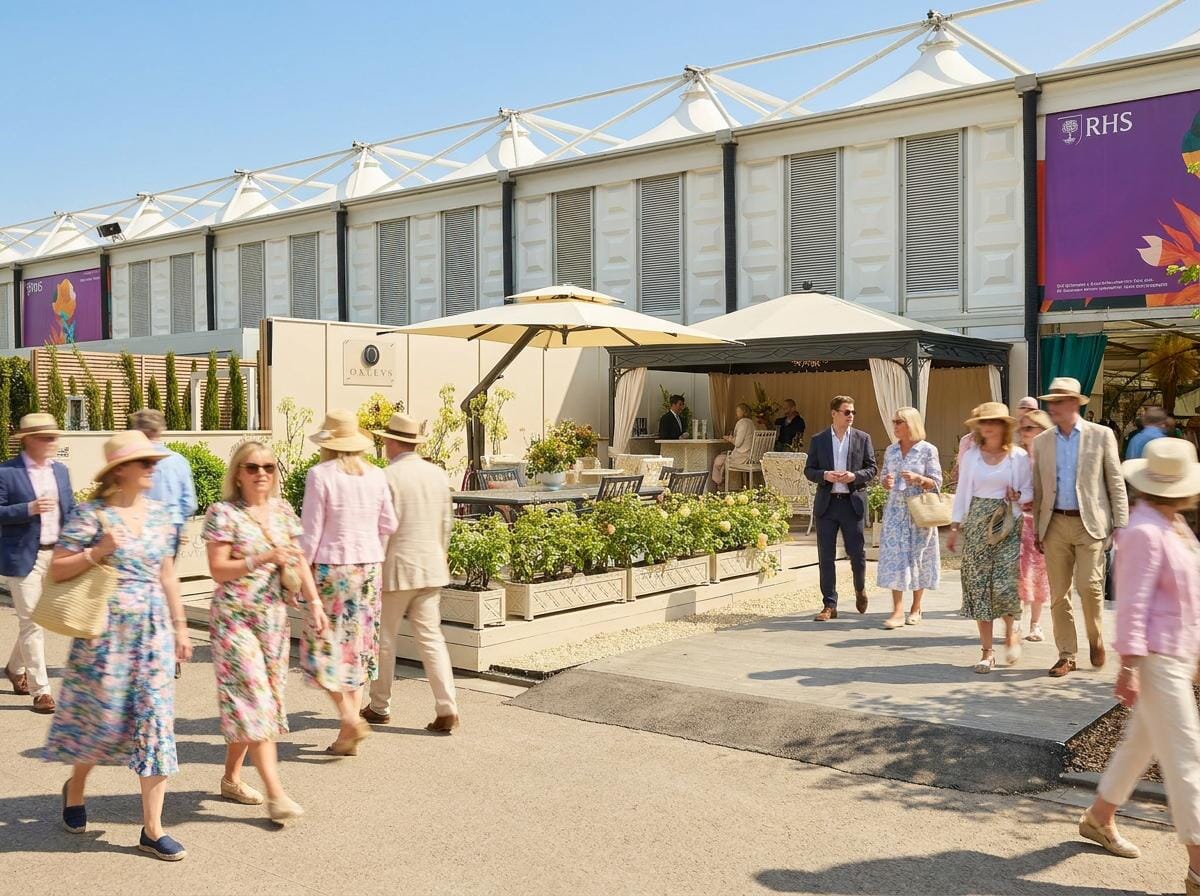
This year marked a particularly meaningful return to RHS Chelsea Flower Show for Oxley’s Furniture.
As we celebrate 35 years as an independent family business, Chelsea once again offered an opportunity to present our latest work to an international audience and reflect on the values that continue to shape the business: craftsmanship, longevity and thoughtful design.
For over three decades, Chelsea has remained an important part of our calendar since we first exhibited there in 1994. It is a place where gardens, architecture, materials and making come together, and where we can have conversations with clients, designers and collaborators. Beyond the spectacle of breath-taking gardens, creativity, and celebrity visitors, this year also served as a reminder to us that many of the businesses behind Chelsea remain family-run, rooted in specialist knowledge passed through generations.
Introducing a New Material Expression
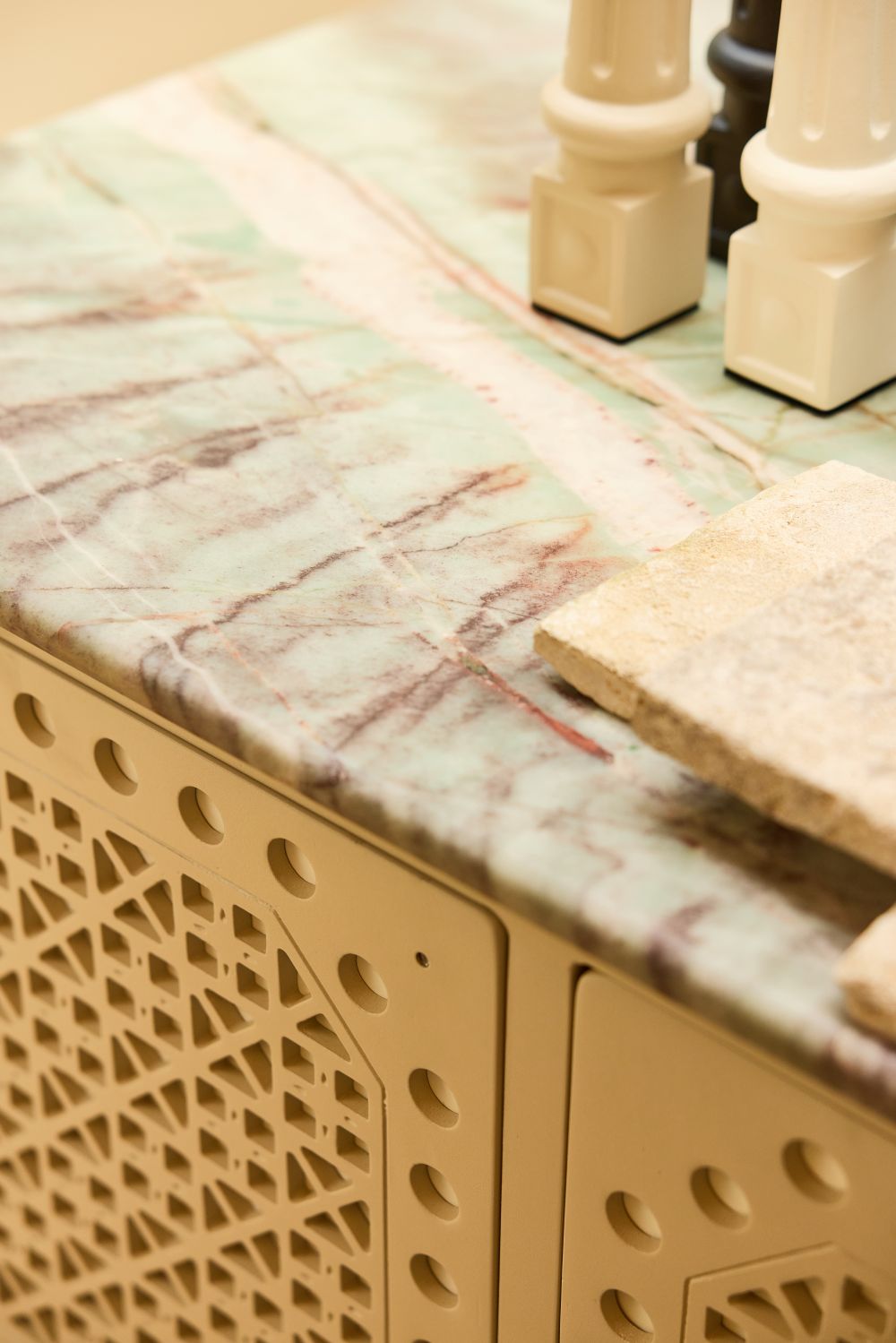
At the centre of our stand this year was the introduction of natural stone table tops to the Oxley’s collection, adding a new material expression to our furniture while retaining the enduring performance expected of outdoor living.
Our brand new lockable credenza, topped with a beautiful vesuvio quartzite top
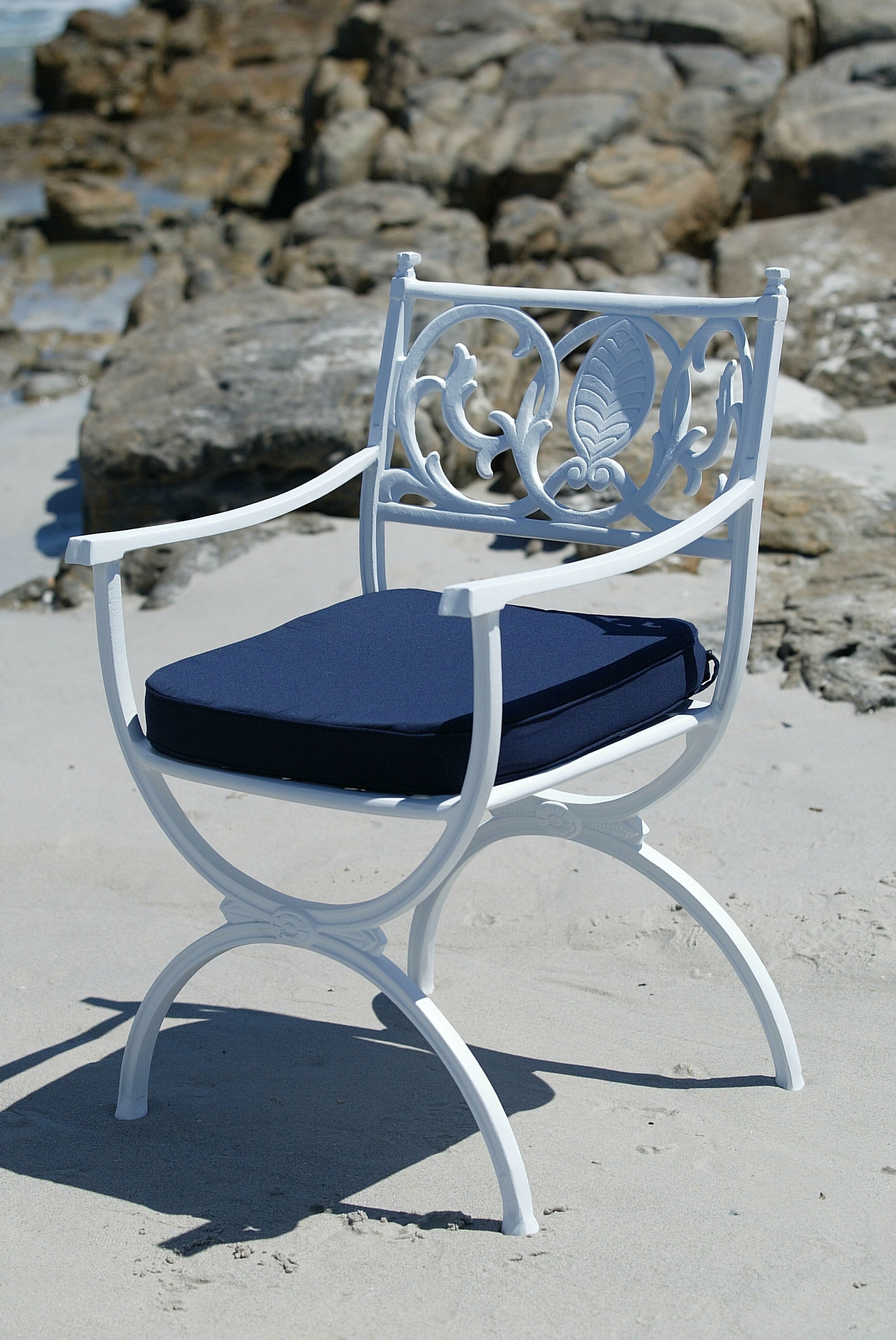
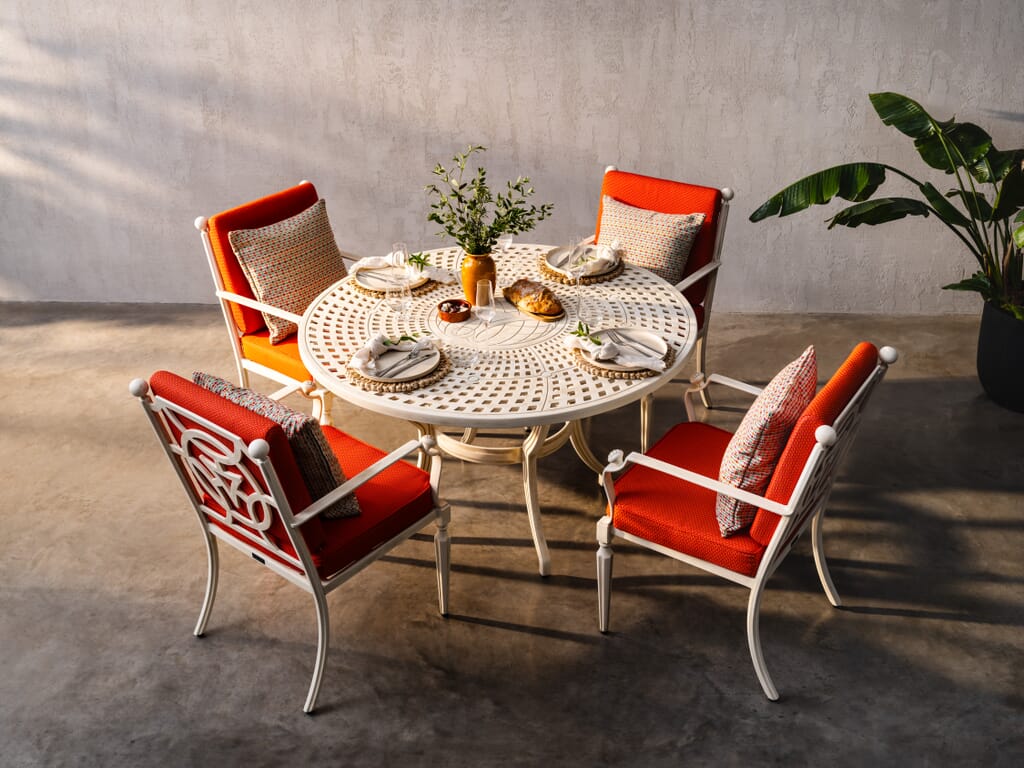
We presented a Taj Mahal marble dining table on our Petrosphere base, paired with upholstered Petrosphere dining chairs in Sanderson’s Monterey Bay outdoor fabric. Alongside this, we introduced a bespoke outdoor bar and credenza topped in vesuvio quartzite, designed as practical yet refined pieces for outdoor entertaining and an example of the possibilities within our bespoke offering.
Stone brings a different language to outdoor furniture. It offers permanence, tactility and natural variation, qualities that sit comfortably alongside hand-finished aluminium and the enduring character of pieces designed to remain outdoors for decades. We are excited to explore the possibilities it brings as a custom option to complement our furniture.
A Natural Partnership with Ca’ Pietra
Chelsea also marked the beginning of a new collaboration with natural stone specialists, Ca’ Pietra.
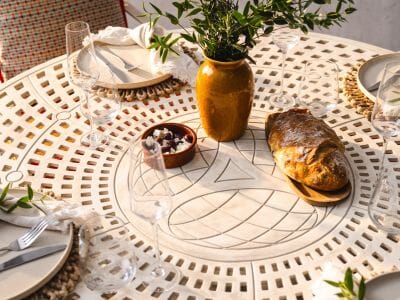
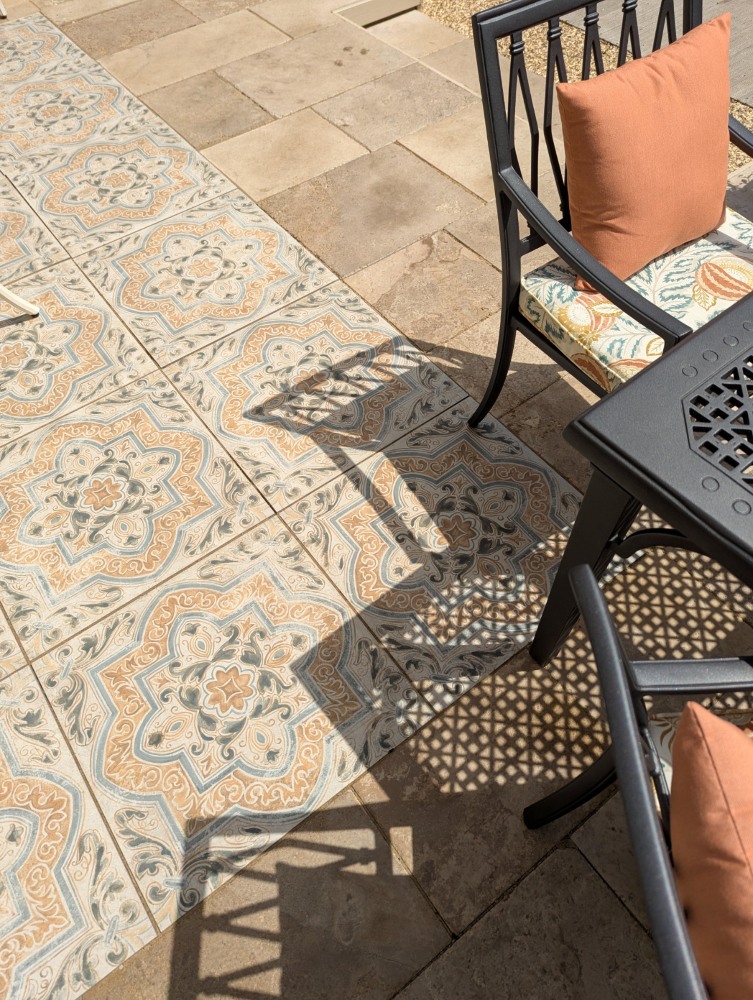
Their carefully selected surfaces helped shape the setting of the stand, grounding the furniture within a material palette that felt architectural yet warm. Buscot limestone pavers formed the foundation of the space, while richly detailed Arabic Tapestry porcelain created a created a richly detailed focal point for the stand.
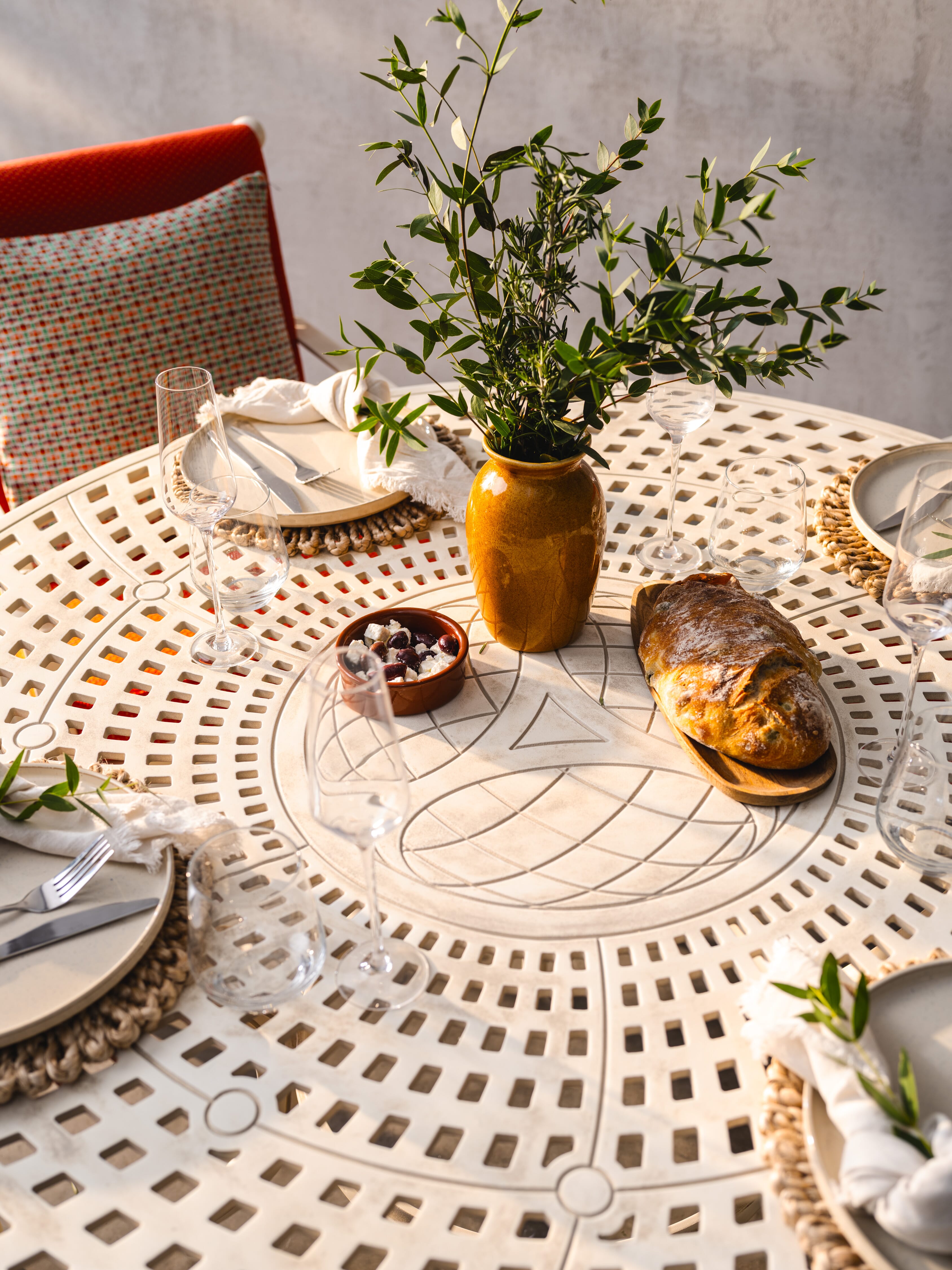
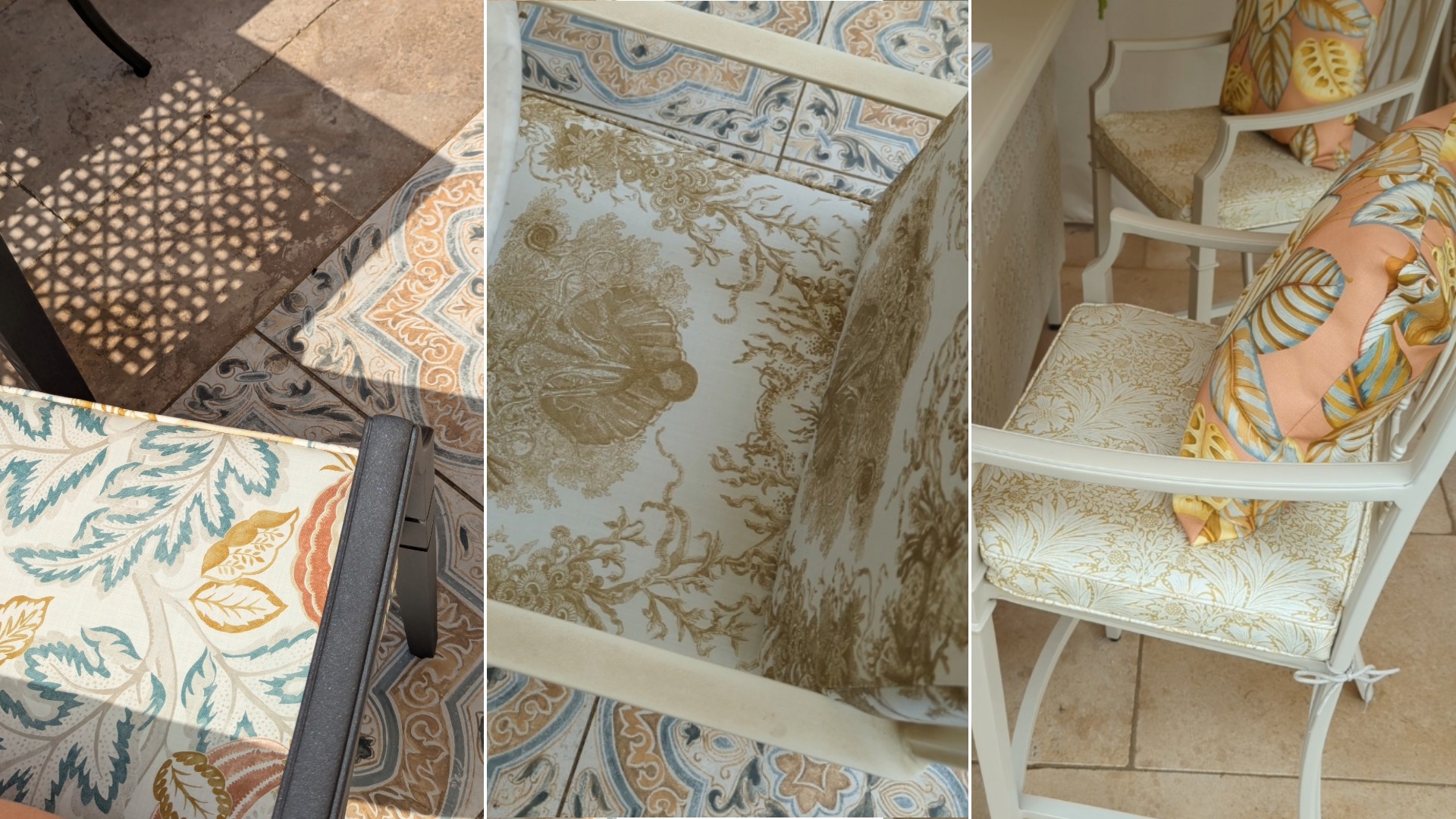
Shadows of our Sienna dining table cast on Ca’ Pietra’s Arabic Porcelain Tapestry
The partnership felt like a natural alignment: two independent businesses with a shared appreciation for craftsmanship, materiality and the importance of designing for longevity.
Upholstery, Pattern and an International Audience
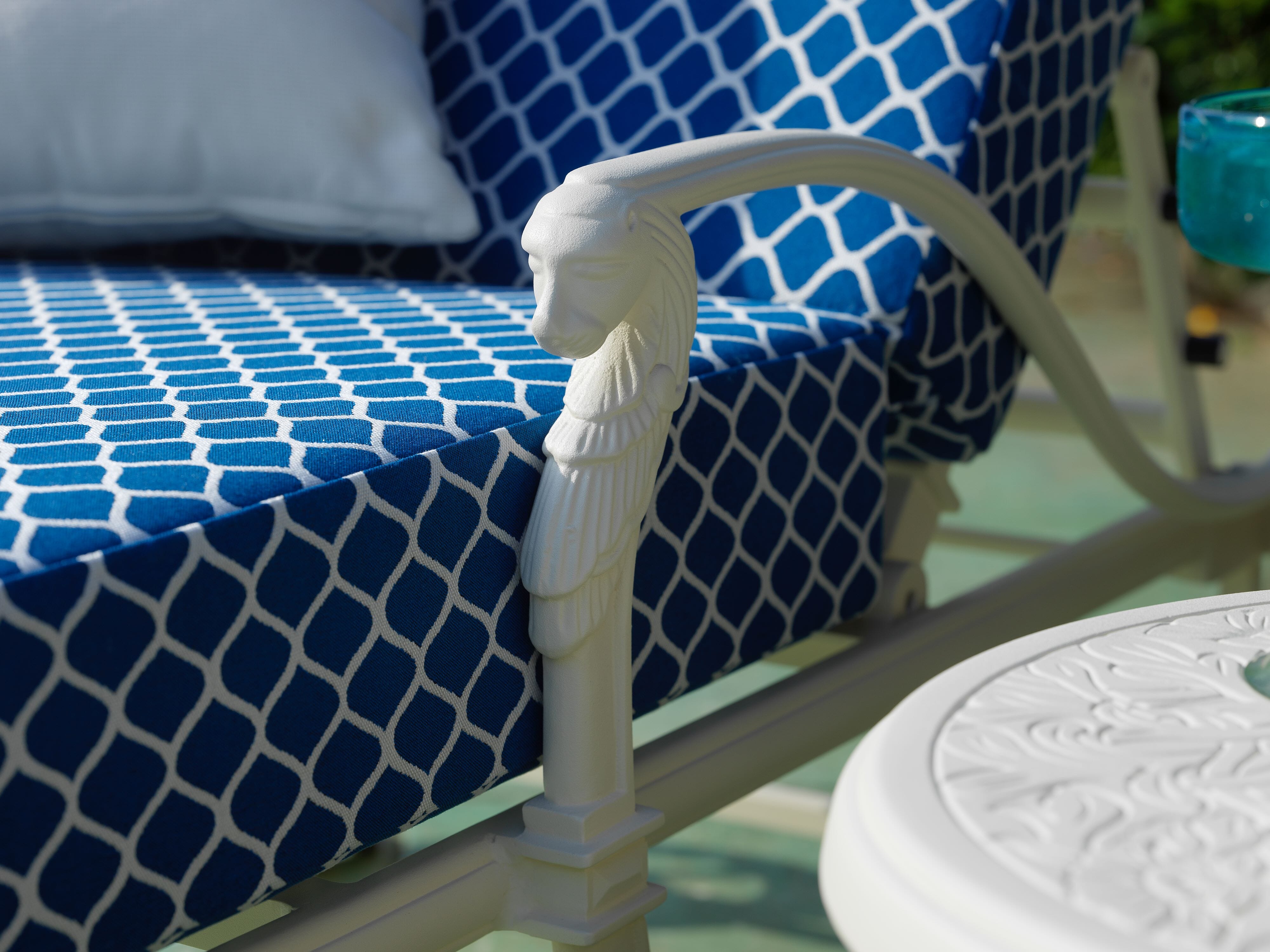
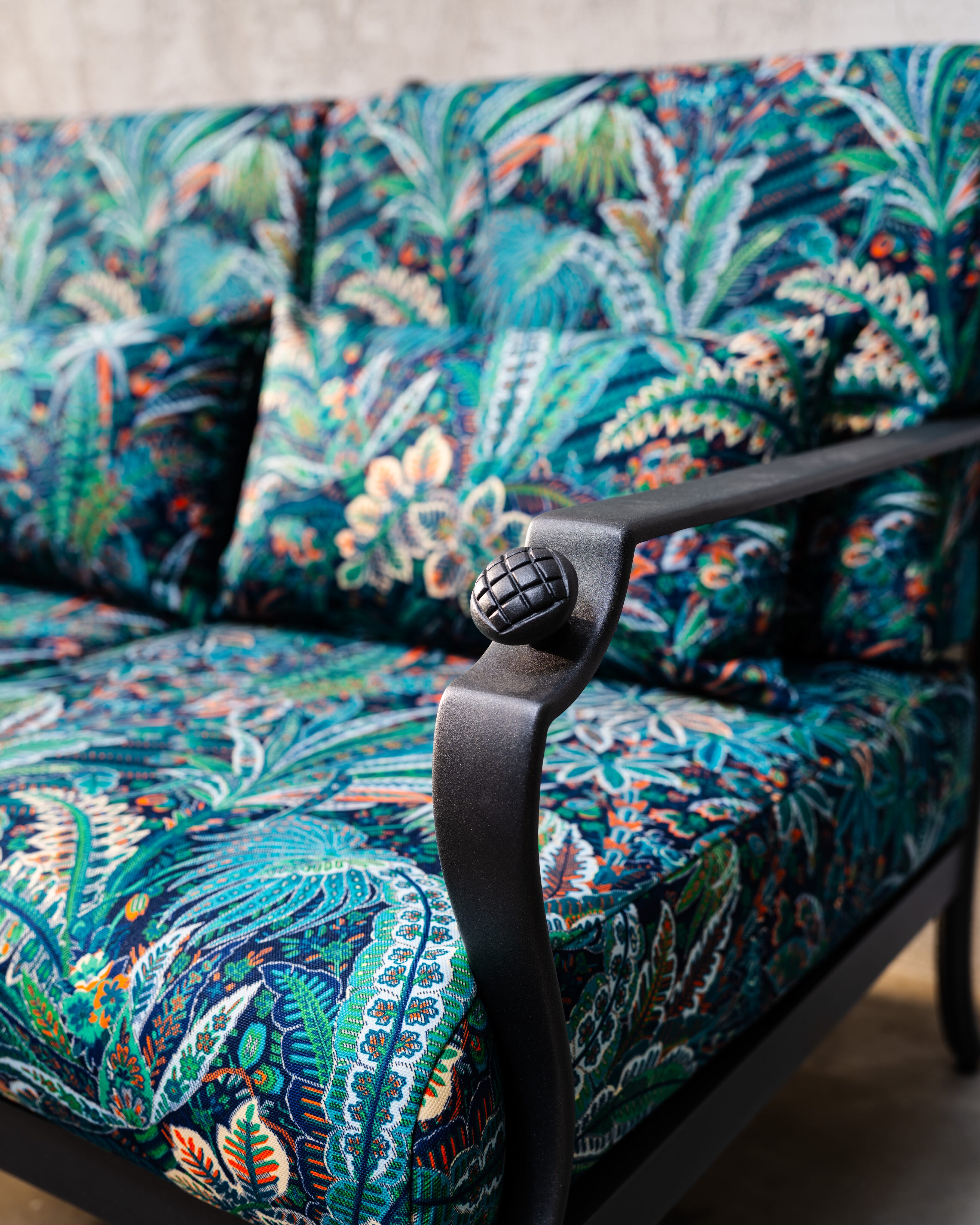
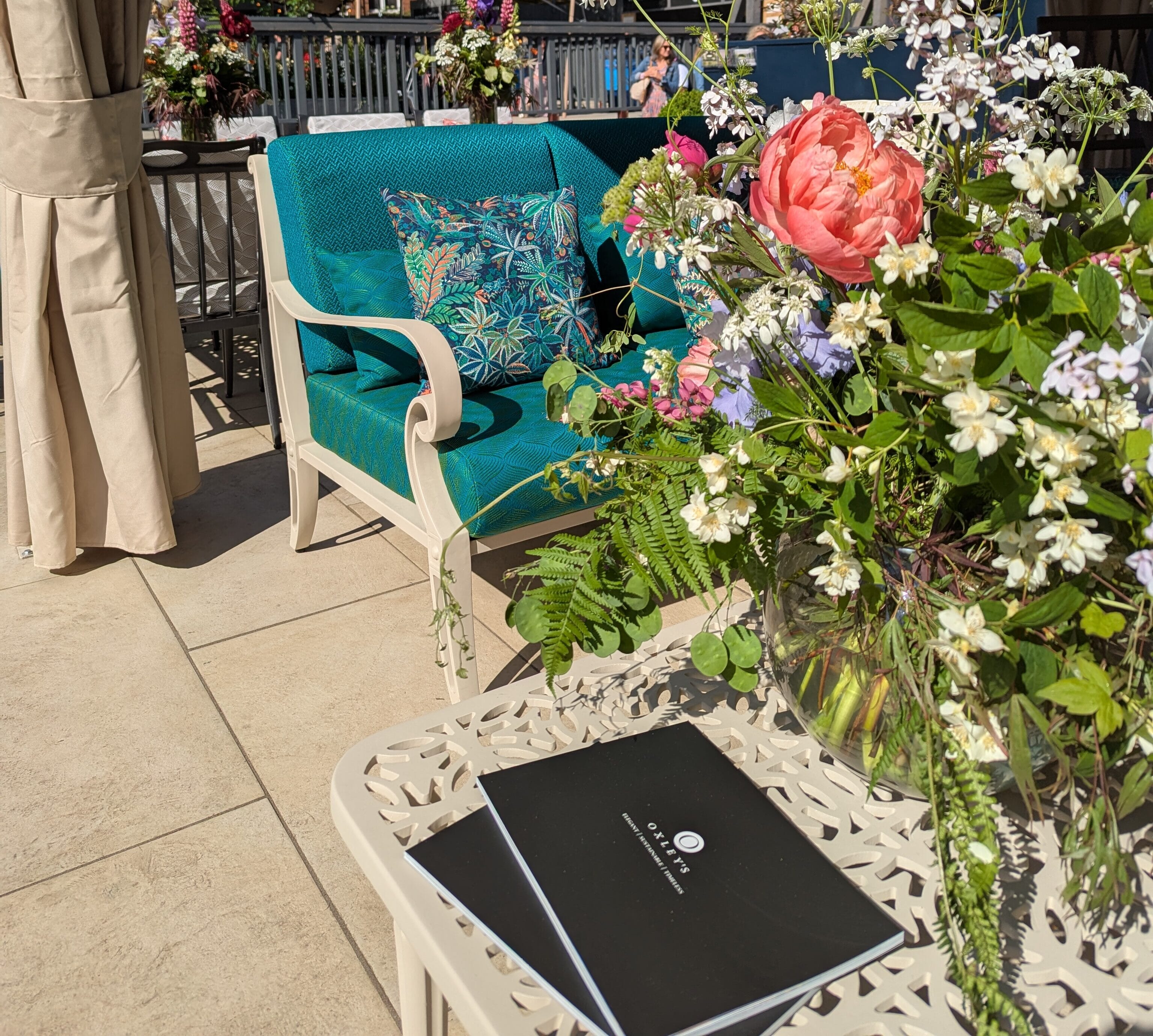
Chelsea also provided an opportunity to showcase the breadth of our upholstery offering through Sanderson’s outdoor collection. Our upholstered dining chairs introduced softness and texture to the stand, balancing the permanence of stone and metal with rich pattern and comfort.
A particular highlight came when Sanderson’s Head of Design, Becky Craig, visited the stand to see how the fabrics had been interpreted within an outdoor setting. Having worked with the brand since the early 2000s and now leading on their new designs, her enthusiasm for the presentation and curiosity about the international response to the collection at Milan Design Week earlier this spring made for an especially rewarding conversation.
A Celebration of British Craftsmanship
One of the pleasures of Chelsea is its role as a gathering point for British makers and long-established family businesses.
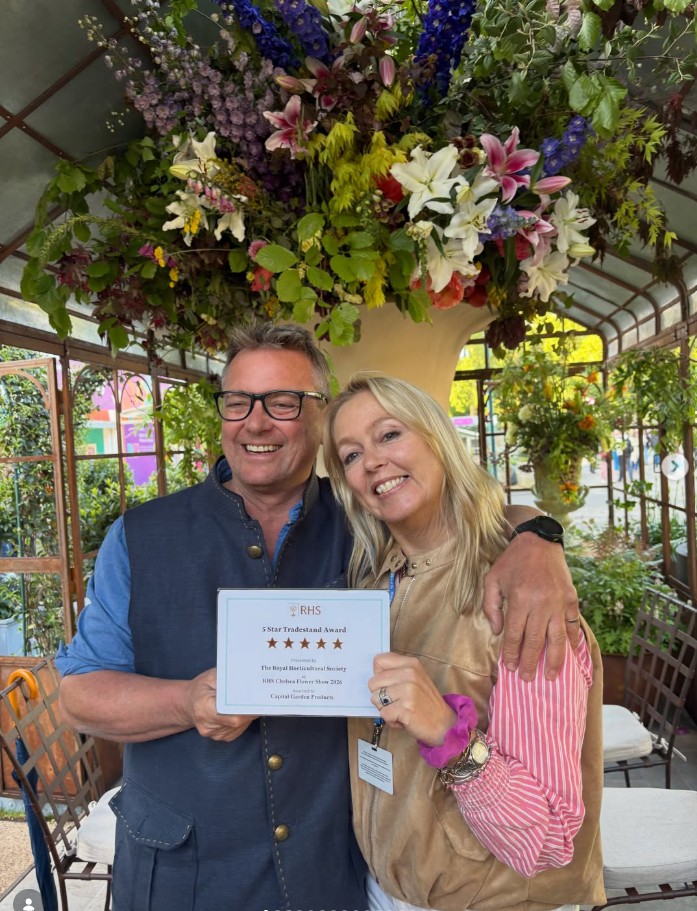
This year, we were delighted to see long-time friends and collaborators at Capital Garden Products receive their first five-star award, a significant and richly deserved achievement. Having exhibited together internationally, including at Maison et Objet in Paris last year, it was particularly rewarding to see their creative flair recognised at Chelsea this year.
Close friends and a formidable husband and wife partnership, Henry and Anna
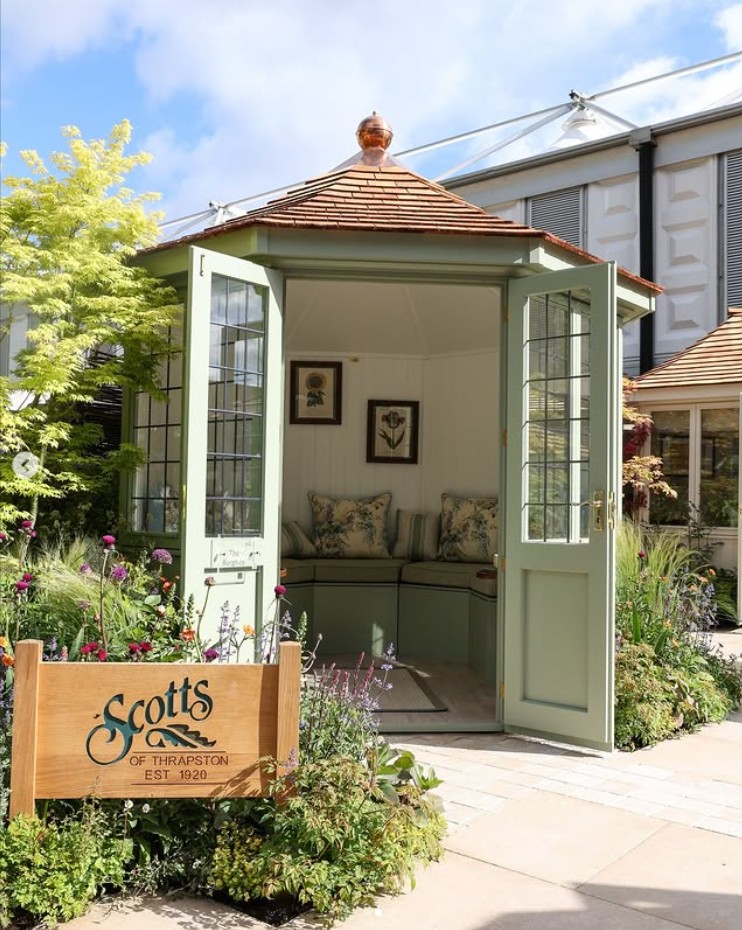
Nearby, Scotts of Thrapston, a fourth-generation family business renowned for handcrafted garden structures, incorporated one of our bar tables and stools into their display, demonstrating the collaborative spirit that often exists between complementary British makers.
We also met fellow family businesses navigating familiar transitions between generations, including Robert James Ltd, specialist metalworkers producing extraordinary Alice in Wonderland-inspired brass castings. These conversations served as a reminder that heritage businesses are never static. They evolve, adapt and renew themselves while preserving the skills and values that make them distinctive.
For Oxley’s, now entering our own next chapter as I begin handing over the day-to-day running of the business to my son, Nick, there was something reassuring in that shared sense of continuity and community.
Reconnecting with past customers
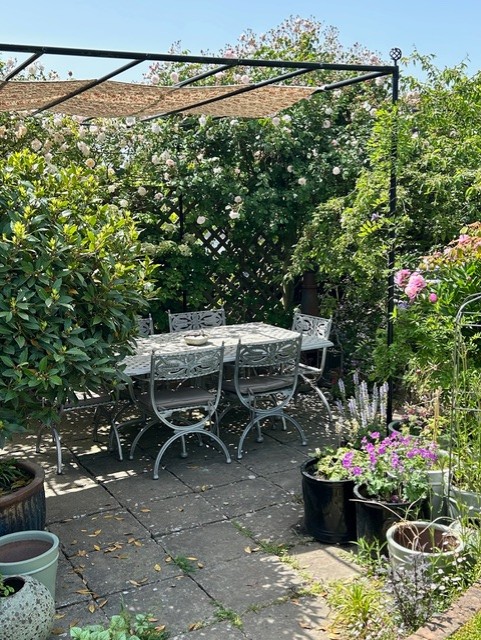
This might sound like marketing speak but one of the genuine highlights of a Chelsea week for us is meeting old customers of ours and hearing about their love for what we’ve made them. That we get to meet lovely people from all over the world who have bought furniture from our company sometimes more than 30 years ago, and to hear that is reassuring and affirming in a world often dominated by the awful expression “planned obsolescence”. That is exactly what we started this business to do so many years ago, although it has often been pointed out to us that this is the worst possible business model – customers only need to buy from us once and then they’re set for life! To illustrate this, we met Mr & Mrs B on the stand who shared with us the photo below of their furniture (an early Oxley’s design we no longer make) as a wedding present in 1993.
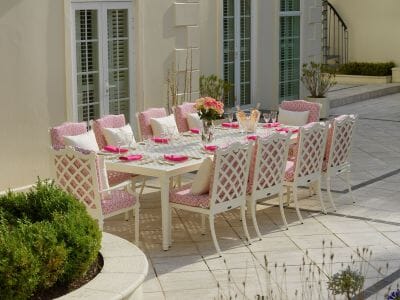
An early Oxley’s design, gifted 32 years ago and still in use to this day
Building Responsibly
Chelsea is, quite rightly, often accompanied by conversations about the temporary nature of exhibition building and the waste that can follow. From the outset, we wanted our stand to be assembled with reuse in mind.
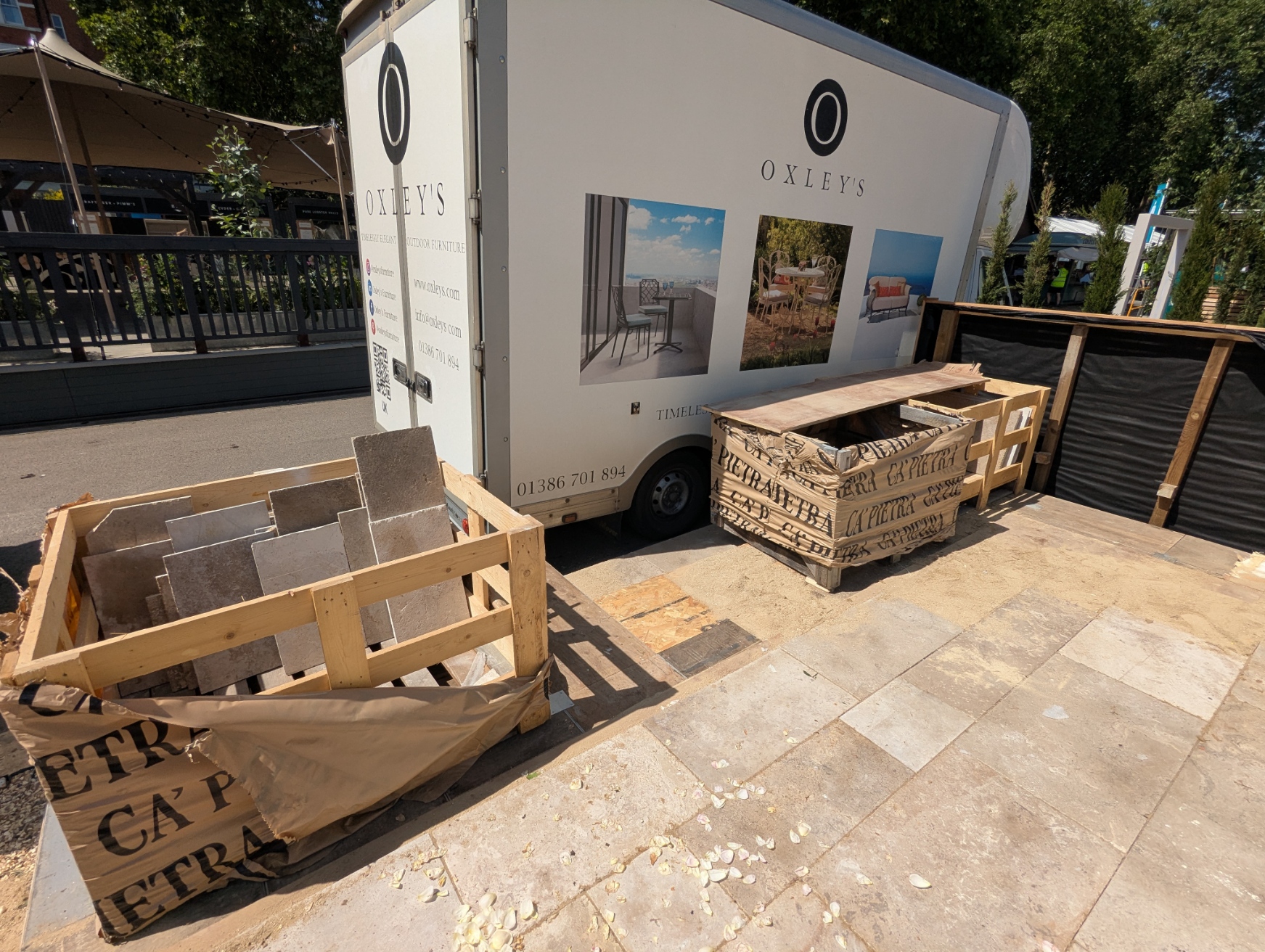
The paving was laid on sand using a temporary grout, allowing each piece to be carefully lifted and returned for future use rather than be broken apart and discarded after the crowds left. Likewise, many of the planting materials have found a second life, including roses now destined for a local wedding.
For a business built around furniture designed to last for generations, it felt important that the temporary nature of Chelsea did not come at the expense of unnecessary waste.
Ca’ Pietra stone paving being lifted to take back and be reused
Looking Back
Chelsea remains a remarkable place: international in audience yet deeply connected to British craftsmanship and horticultural tradition.
For us, it offered an opportunity not only to present new designs, but to reconnect with old friends, form new partnerships and reflect on the enduring value of making things well.
After more than thirty appearances at Chelsea since my debut in 1994, it still feels like an important place to be, and one that continues to inspire us as we look ahead to the next chapter.
CEO and founder Simon (left) with his son (Nick) reflecting on the next chapter for Oxley’s.
By clicking Accept you are agreeing to the use of all cookies which will allow us to provide you with the most relevant experience when visiting or re-visiting this website. This means that your personal preferences will be remembered when you use this website. You can change your consent or choose specific settings by clicking "Cookie Settings". By clicking "Reject All" we will not use any non-essential cookies. Essential cookies will still be used for the website to function properly. Please see our cookie policy and privacy policy for more information about how we process your personal data.
This website uses cookies to improve your experience while you navigate through the website. Out of these cookies, the cookies that are categorized as necessary are stored on your browser as they are essential for the working of basic functionalities of the website. We also use third-party cookies that help us analyze and understand how you use this website. These cookies will be stored in your browser only with your consent. You also have the option to opt-out of these cookies. But opting out of some of these cookies may have an effect on your browsing experience.
Necessary cookies are absolutely essential for the website to function properly. These cookies ensure basic functionalities and security features of the website, anonymously.
Cookie
Duration
Description
__stripe_mid
1 year
Stripe sets this cookie cookie to process payments.
__stripe_sid
30 minutes
Stripe sets this cookie cookie to process payments.
cookielawinfo-checkbox-advertisement
1 year
Set by the GDPR Cookie Consent plugin, this cookie is used to record the user consent for the cookies in the "Advertisement" category .
cookielawinfo-checkbox-analytics
11 months
This cookie is set by GDPR Cookie Consent plugin. The cookie is used to store the user consent for the cookies in the category "Analytics".
cookielawinfo-checkbox-functional
11 months
The cookie is set by GDPR cookie consent to record the user consent for the cookies in the category "Functional".
cookielawinfo-checkbox-necessary
11 months
This cookie is set by GDPR Cookie Consent plugin. The cookies is used to store the user consent for the cookies in the category "Necessary".
cookielawinfo-checkbox-others
11 months
This cookie is set by GDPR Cookie Consent plugin. The cookie is used to store the user consent for the cookies in the category "Other.
cookielawinfo-checkbox-performance
11 months
This cookie is set by GDPR Cookie Consent plugin. The cookie is used to store the user consent for the cookies in the category "Performance".
viewed_cookie_policy
11 months
The cookie is set by the GDPR Cookie Consent plugin and is used to store whether or not user has consented to the use of cookies. It does not store any personal data.
Functional cookies help to perform certain functionalities like sharing the content of the website on social media platforms, collect feedbacks, and other third-party features.
Performance cookies are used to understand and analyze the key performance indexes of the website which helps in delivering a better user experience for the visitors.
Cookie
Duration
Description
_gat
1 minute
This cookie is installed by Google Universal Analytics to restrain request rate and thus limit the collection of data on high traffic sites.
Analytical cookies are used to understand how visitors interact with the website. These cookies help provide information on metrics the number of visitors, bounce rate, traffic source, etc.
Cookie
Duration
Description
_ga
2 years
The _ga cookie, installed by Google Analytics, calculates visitor, session and campaign data and also keeps track of site usage for the site's analytics report. The cookie stores information anonymously and assigns a randomly generated number to recognize unique visitors.
_ga_V9QB5CEJQW
2 years
This cookie is installed by Google Analytics.
_gat_UA-188320181-1
1 minute
A variation of the _gat cookie set by Google Analytics and Google Tag Manager to allow website owners to track visitor behaviour and measure site performance. The pattern element in the name contains the unique identity number of the account or website it relates to.
_gcl_au
3 months
Provided by Google Tag Manager to experiment advertisement efficiency of websites using their services.
_gid
1 day
Installed by Google Analytics, _gid cookie stores information on how visitors use a website, while also creating an analytics report of the website's performance. Some of the data that are collected include the number of visitors, their source, and the pages they visit anonymously.
Advertisement cookies are used to provide visitors with relevant ads and marketing campaigns. These cookies track visitors across websites and collect information to provide customized ads.
Cookie
Duration
Description
test_cookie
15 minutes
The test_cookie is set by doubleclick.net and is used to determine if the user's browser supports cookies.